best macro ratio for muscle gain and fat loss Macros ratios calorie
In today’s society, achieving the body of our dreams has become the ultimate goal for many individuals. Whether it’s for health reasons, aesthetics or personal satisfaction, we all have our own reasons for wanting to get in shape. When it comes to losing body fat, one commonly used method is tracking macronutrients or macros for short. But what exactly are macros and how do we calculate them?
The Basics of Macros
Simply put, macros are the three main nutrients our bodies require in large amounts: protein, carbohydrates and fat. Each of these nutrients provides a different purpose in the body. Protein is essential for building and repairing muscle tissue, carbohydrates provide energy and fuel for our body, and fat helps to regulate hormones and keep our cells functioning properly.
Tracking macros involves monitoring the amount of each nutrient we consume in a day, usually measured in grams. This method is especially popular amongst those looking to lose fat, as it allows for more precise calorie control and maximises muscle retention.
Calculating Macros for Fat Loss
Now that we understand the basics of what macros are, how do we calculate them for fat loss? The first step is to determine your Total Daily Energy Expenditure (TDEE), which is the amount of calories our body burns in a day, taking into consideration factors such as age, height, weight, and activity level. There are various calculators available online which can help with this.
Once we have calculated our TDEE, we can create a calorie deficit by reducing our daily caloric intake. A moderate deficit of around 20-25% is generally recommended for safe and sustainable weight loss. From here, we can work out our ideal macro ratio, which is the percentage of each nutrient we should consume in a day.
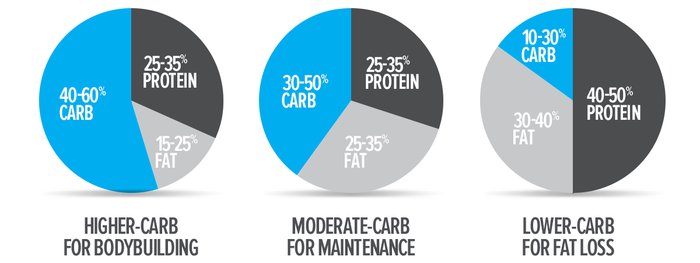
A commonly used macro split for fat loss is:
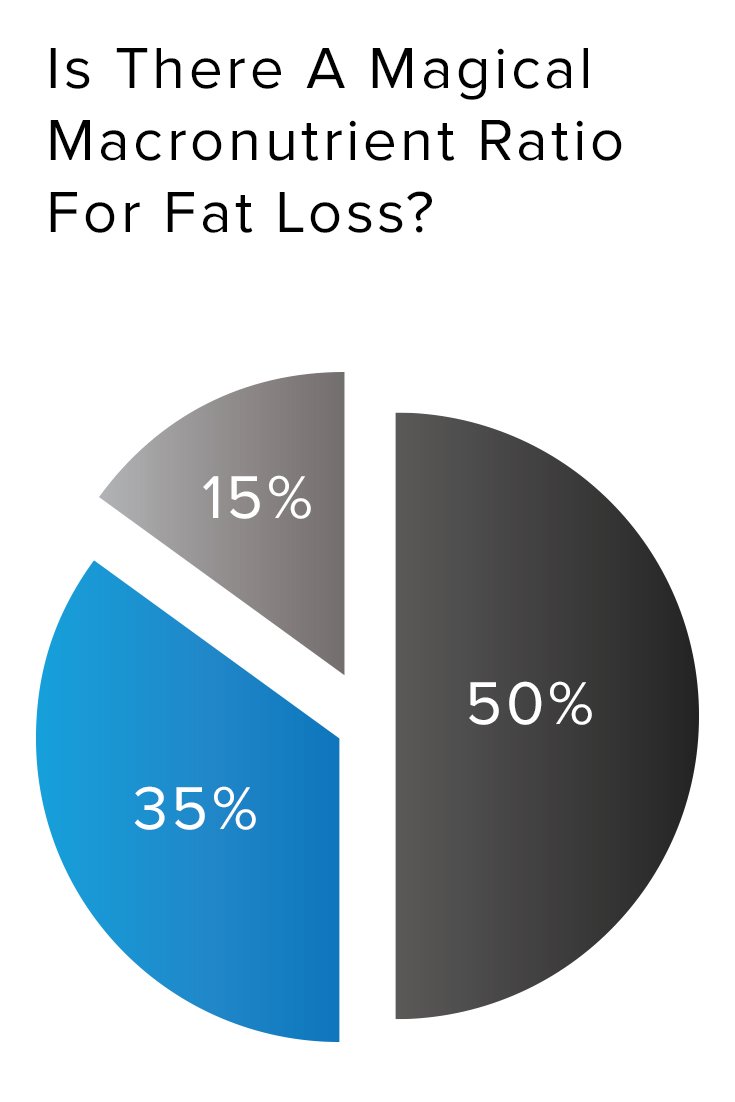
- Protein: 40%
- Carbohydrates: 35%
- Fat: 25%
Using this split, we can multiply our TDEE by the percentage of each nutrient, then divide by the number of calories per gram for each nutrient (4 calories per gram for protein and carbs, 9 calories per gram for fat). This will give us the amount of each nutrient we should aim to consume in a day.
Putting it Into Practice
Now that we have calculated our ideal macro split, how do we put it into practice? There are various apps available which can help track macros, such as MyFitnessPal or MyMacros+. Simply input your daily food intake, and the app will calculate the amount of each nutrient consumed in real-time.
It’s important to note that while tracking macros can be an effective tool for fat loss, it’s not the be-all and end-all. It’s equally important to focus on consuming whole, nutrient-dense foods and engaging in regular exercise to support overall health and well-being.
Conclusion
Tracking macros is a popular method for fat loss and allows for targeted calorie control and muscle retention. By calculating our TDEE and ideal macro ratio, we can work towards our individual goals in a safe and sustainable manner. However, it’s important to remember that while tracking macros can be helpful, it’s not the only factor in achieving a healthy lifestyle.
 The fitness industry is filled with images of chiselled abs, and while we may aspire to achieve this look, it’s important to remember that a healthy body comes in all shapes and sizes. Focus on nourishing your body with whole, nutritious foods, and engaging in regular exercise that you enjoy. The path to a healthy lifestyle is a journey, not a destination, and small changes over time can lead to big results.
 If you’re interested in tracking macros, do your research, and consult with a registered dietitian or nutritionist to ensure your individual needs are being met. Whether you choose to track macros or not, remember that good health is about balance, and a healthy body includes both physical and mental well-being.
If you are searching about Pin on Abs you’ve visit to the right page. We have 5 Images about Pin on Abs like Connect the Dots Ginger | Becky Allen: Know Your Body Type To Help You, Here’s the Skinny on Macros and also How to Calculate Macros for Fat loss | Warrior Goddess Kettlebell Training. Here you go:
Pin On Abs
www.pinterest.commacronutrient macros macronutrients percentages gain lose ratios
Here’s The Skinny On Macros
 www.alygrayfitness.commacros calculating meal mediterranean carbs calculator gain mealpreponfleek iifym galveston
Ask The Ripped Dude: Is There A Magical Macronutrient Ratio For Fat Loss?
 www.bodybuilding.commacronutrient ratio dude bodybuilding
Connect The Dots Ginger | Becky Allen: Know Your Body Type To Help You
 www.connectthedotsginger.commacros macro macronutrient ratio fat loss body weight bodybuilding ratios lose split diet maintenance muscle percentages percentage different type carb
How To Calculate Macros For Fat Loss | Warrior Goddess Kettlebell Training
www.warriorgoddesskettlebelltraining.commacros ratios calorie
Pin on abs. Macronutrient macros macronutrients percentages gain lose ratios. Macros ratios calorie