pyrithione zinc vs selenium sulfide tinea versicolor Zinc pyrithione for skin, hair: uses, benefits, side effects
As someone who has struggled with skin issues for years, I know firsthand just how frustrating it can be trying to find the right products to treat specific conditions. One of the most confusing areas of skincare for me has been dealing with fungal acne. I’d heard so many conflicting opinions on the matter, so I decided to delve a little deeper and see what’s what. First off, let’s address the elephant in the room: fungal acne isn’t actually a type of acne at all. It’s a condition known as pityrosporum folliculitis, which is caused by an overgrowth of yeast on the skin. The symptoms are similar to acne, but the treatment is different, which is why it’s so important to identify the issue correctly. Now, when it comes to treating fungal acne, there are a few key ingredients to look out for. Two of the most commonly recommended are pyrithione zinc and selenium sulfide. But which one is better? Let’s take a closer look. Pyrithione zinc is an antibacterial and antifungal agent that is often used in shampoos to treat dandruff. It works by regulating the skin’s oil production and killing off the yeast that causes pityrosporum folliculitis. In addition to being effective, it’s also a gentle ingredient that doesn’t tend to cause any irritation. Selenium sulfide, on the other hand, is another antifungal agent that is often used to treat dandruff and seborrheic dermatitis. It works by slowing down the rate at which skin cells grow, which can help to reduce the inflammation associated with fungal acne. Both pyrithione zinc and selenium sulfide have been found to be effective in treating pityrosporum folliculitis, so it really comes down to personal preference. If you’re someone who has had success with using pyrithione zinc products in the past, it’s probably worth sticking with that. If, on the other hand, you’ve found selenium sulfide to be more effective, that’s the one to go for. Of course, it’s worth noting that everyone’s skin is different, so what works for one person might not necessarily work for another. If you’re struggling with pityrosporum folliculitis, it might be a good idea to consult with a dermatologist to get a personalized treatment plan. In the meantime, there are plenty of over-the-counter products that contain either pyrithione zinc or selenium sulfide that you can try. Just remember to be patient and stick with your chosen treatment for a few weeks to see if it’s making a difference. And, as always, make sure you’re taking good care of your skin in general by using gentle, non-irritating products and avoiding anything that might exacerbate the issue, like heavy oils or comedogenic ingredients. With a little bit of persistence, you’ll be able to get your fungal acne under control in no time.
If you are searching about There is no such thing as Fungal Acne - ownyoglow you’ve visit to the right place. We have 5 Pics about There is no such thing as Fungal Acne - ownyoglow like Pyrithione Zinc vs Selenium Sulfide: Which is Better?, Pin on Vitiligo Cure and also Pin on Vitiligo Cure. Here it is:
There Is No Such Thing As Fungal Acne - Ownyoglow
 ownyoglow.comselsun fungal acne nizoral hyram ingredient
Pin On Vitiligo Cure
 www.pinterest.comversicolor tinea haole pityriasis vitiligo spots rash remedy fungus fungal hypopigmentation scabies ginger whatisturmericgoodfor
Zinc Pyrithione As A Topical Treatment For Dandruff
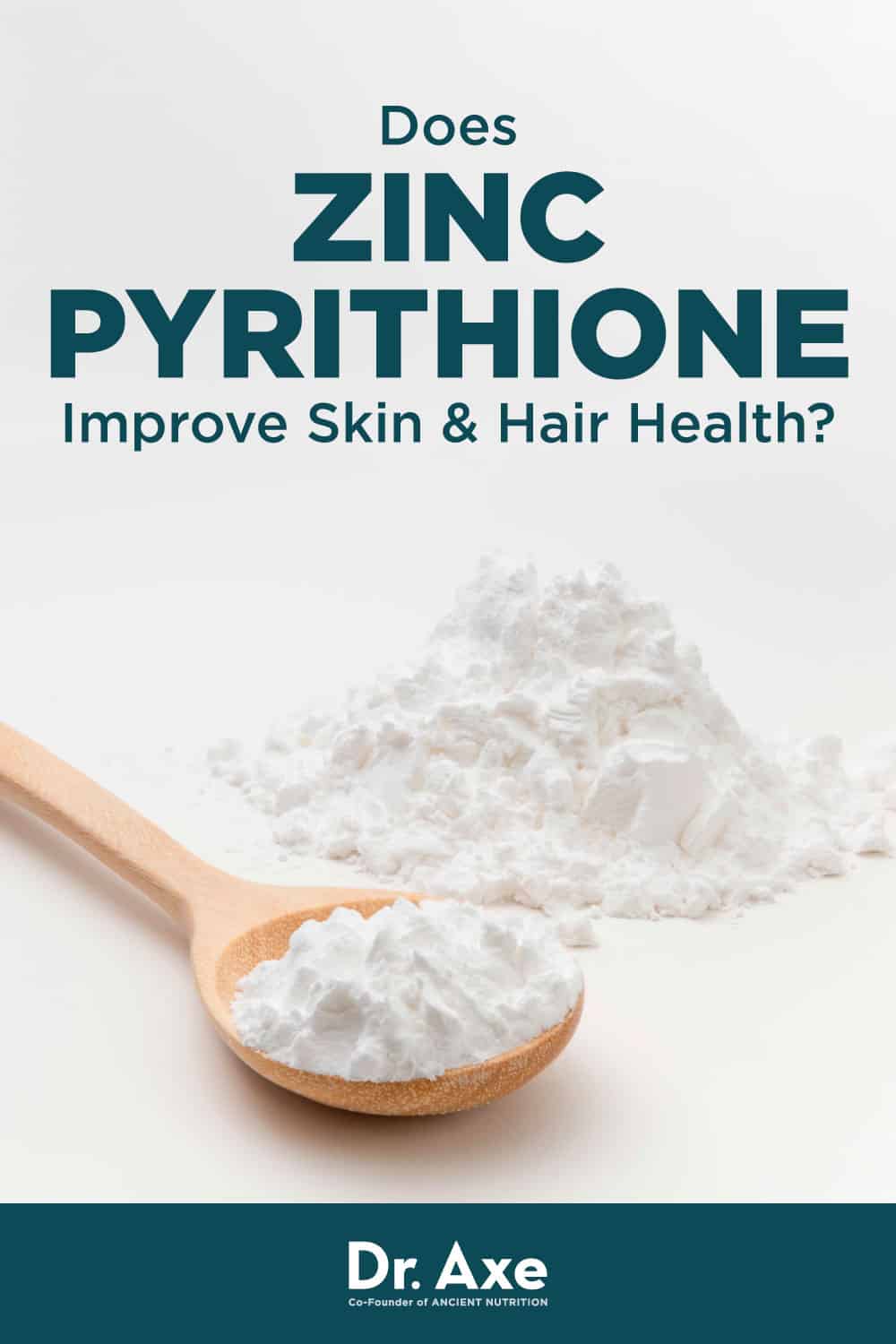
 emedz.netZinc Pyrithione For Skin, Hair: Uses, Benefits, Side Effects - Dr. Axe
 draxe.comPyrithione Zinc Vs Selenium Sulfide: Which Is Better?
 lifepathdoc.comPin on vitiligo cure. Zinc pyrithione as a topical treatment for dandruff. Versicolor tinea haole pityriasis vitiligo spots rash remedy fungus fungal hypopigmentation scabies ginger whatisturmericgoodfor